Dr. Tammy · Free Guide

It isn't anxiety. Your body can't handle standing up.

A plain-English guide to POTS — a condition where standing up makes your heart race and blood pool in your legs. Inside: a standing test you can track at home, a quiz that points to treatments to ask your doctor about, and the daily habits that actually help. Written for everyone whose racing heart and brain fog keep getting called just stress.

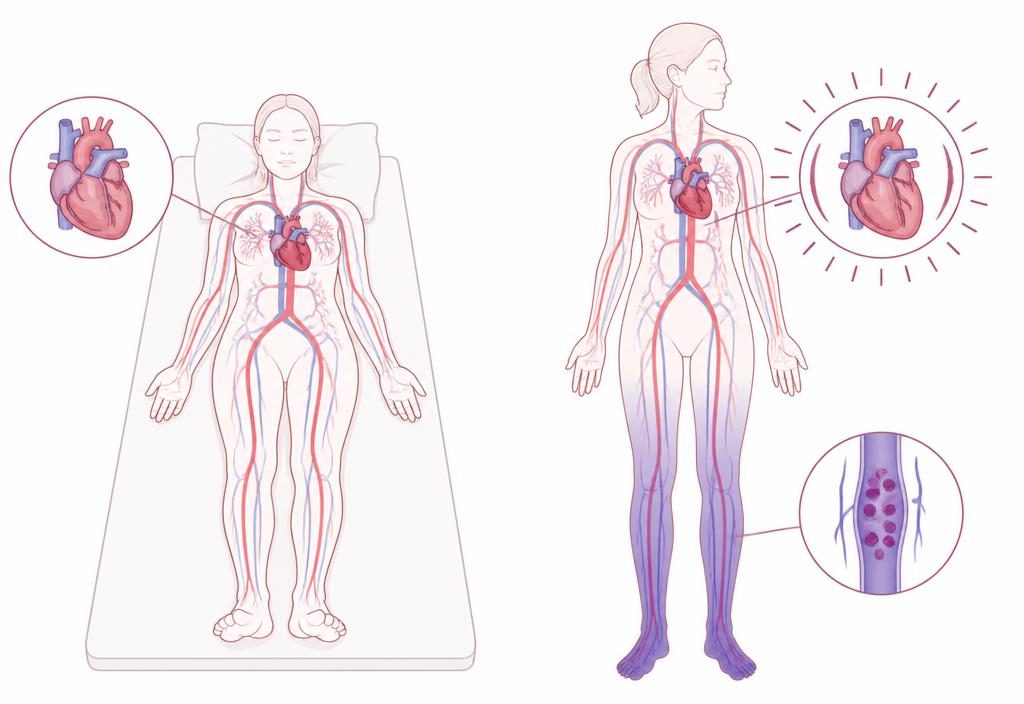
Illustration showing how standing up makes the heart beat faster while blood pools in the lower legs
Dr. Tammy
"Track your numbers lying down and standing. Bring them to your doctor. Data beats 'it's just anxiety' every time."
— Dr. Tammy
Start here

The 5 types of POTS

POTS looks different from person to person. Most people have a mix, but one type is usually loudest. Find which ones sound like you — each type points to different tests and treatments to talk about with your doctor.

Type 01Nerves & heart

The Wired-Body Type

This is the classic type: standing makes your heart race, blood pools in your legs, and you may feel shaky inside — like a trembling you can feel but others can't see. Skipping water, salt, or a meal makes everything much worse, and migraines often come along for the ride.

  • Racing heart standing
  • Heavy or pooling legs
  • Internal shaking
  • Worse when dehydrated
  • Migraines

Ask about: a standing test, more water and salt, waist-high compression, and heart-slowing medicines like low-dose propranolol or ivabradine.

Type 02Allergies & histamine

The Allergy Type

Your body acts like it's allergic to everything: flushing, hives, stomach problems, and reactions to foods — like a face that swells after shrimp. Some people have genes that make it harder to break down histamine (a chemical your body releases in allergic reactions).

  • Flushing or hives
  • Food reactions
  • Swelling after certain foods
  • Stomach problems
  • DAO gene findings

Ask about: an allergy/immunology referral, a tryptase blood test when your doctor thinks it fits, and a short low-histamine diet trial — with foods added back later, not a forever diet.

Type 03Joints & stretchy tissue

The Bendy-Body Type

Your joints feel loose or unstable — like they slip or pop out of place — and your neck, ribs, or hips often hurt. This type often comes with stretchy connective tissue (the stuff that holds your body together). A gene clue like COL5A1 can be interesting, but it can't diagnose anything by itself.

  • Loose or slipping joints
  • Neck, rib, or hip pain
  • Feeling unstable standing
  • Stretchy skin or tissue

Ask about: a Beighton score (a simple bendiness check), physical therapy to stabilize joints, and compression clothing while standing.

Type 04Hormones & cycle

The Hormone Type

Symptoms swing with your cycle: really hard mood crashes in the week before your period, heavy or short periods, and sore breasts. Low progesterone — depending on the day it's tested — can play a role. Blood sugar and weight changes can travel with this type too.

  • Worse before your period
  • Heavy or short periods
  • Breast soreness
  • Mood crashes
  • Weight changes

Ask about: a cycle-timed hormone panel (progesterone must be drawn on the right cycle day), plus iron, thyroid, and blood-sugar tests. An at-home hormone test kit is an easy first step.

Type 05Weight & blood sugar

The Metabolism Type

Weight climbs and won't come off — even when you're trying. Genes like FTO can raise the odds, and blood-sugar problems may be part of it, but that still needs a proper fasting test at the doctor's office, not a guess.

  • Hard-to-lose weight gain
  • Energy crashes after meals
  • FTO gene findings
  • Blood-sugar ups and downs

Ask about: a fasting workup — glucose, A1c, cholesterol, and sometimes fasting insulin — before assuming it's a blood-sugar problem.

Good to know

These types like to travel together

POTS, bendy joints, and allergy-type symptoms often show up in the same person. That doesn't mean you suddenly have three diseases — and be careful of checklists on the internet that say otherwise. The smart move is to check each area on its own, instead of ignoring the whole cluster or over-diagnosing it.

A focused workup usually includes: a 10-minute stand test, iron and ferritin, a fasting blood-sugar panel, cycle-timed hormones, thyroid tests, homocysteine, an allergy referral if you've had reactions like facial swelling, a bendiness (Beighton) check, and vitamin D.
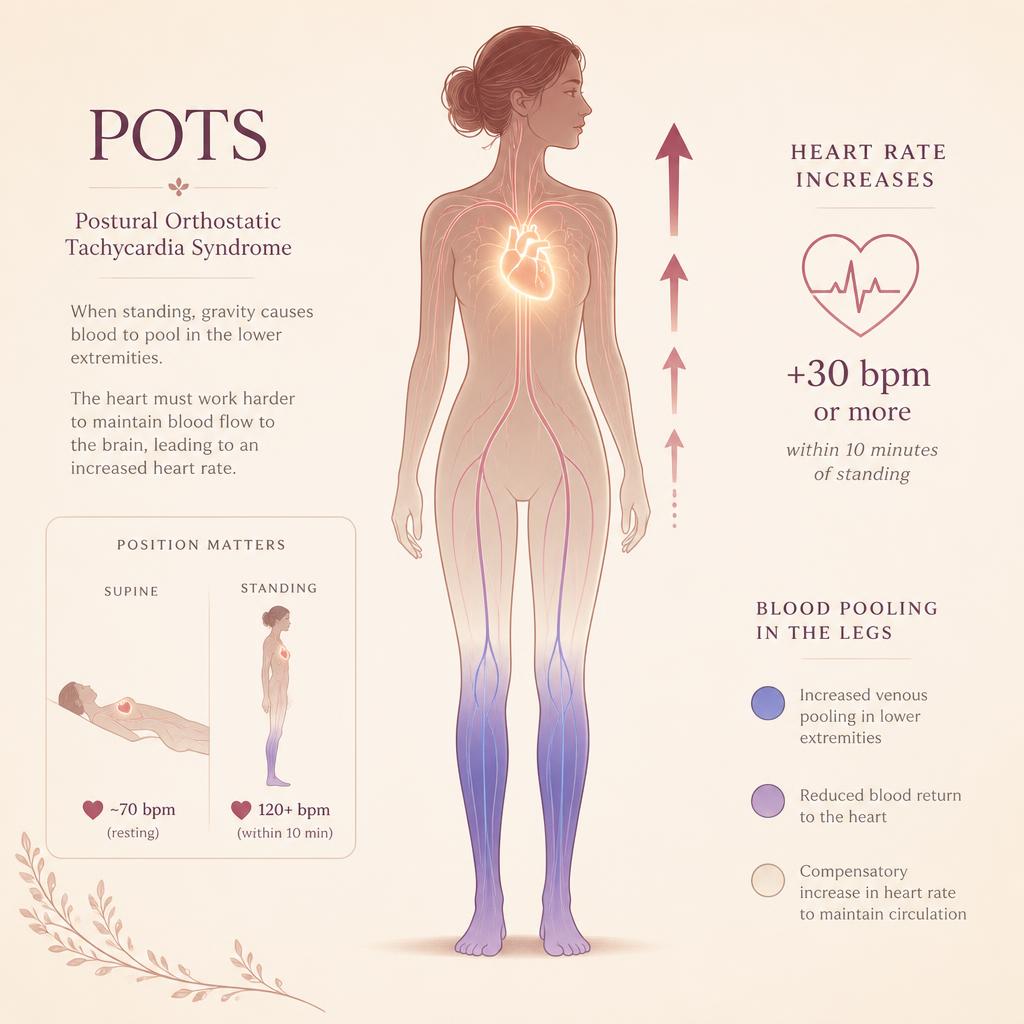

Diagram comparing circulation lying down with blood pooling in the legs and a fast heart rate while standing
Lying down
Blood returns, heart calms down
Standing
Blood pools, heart races 30+ bpm
Why standing is the problem

A blood-flow problem that only shows up when you're upright.

POTS stands for postural orthostatic tachycardia syndrome — a big name for a simple idea: when you stand up, your heart races. Doctors say POTS is when your heart beats at least 30 times faster per minute (40 for teens) within 10 minutes of standing, without your blood pressure dropping, plus daily symptoms. Here's what happens: gravity pulls blood down into your legs and belly. Less blood gets back to your heart, so your heart beats faster and your body pumps out adrenaline to protect your brain. Lie down, and it all calms down — which is why a quick sit-down visit at the doctor's office often misses it.

The standing test

Lie down and rest for 5–10 minutes, then check your heart rate and blood pressure. Stand up and check again at 1, 3, 5, and 10 minutes. Write down any dizziness, pounding heart, shaking, or vision changes. Those notes give your doctor a much clearer picture than just asking "do I have POTS?"

Use the standing-test tracker
How doctors know for sure

The tests that confirm POTS

There is no single blood test for POTS. Doctors diagnose it by watching your heart rate and blood pressure when you change position, and by ruling out other causes of a fast heart.

Active stand test

Stand up and measure

You lie down and rest for 5–10 minutes, then stand up. Your doctor checks your heart rate and blood pressure at 1, 3, 5, and sometimes 10 minutes. If your heart rate rises 30+ beats per minute (40+ for teens) without your blood pressure dropping, that's the POTS pattern. You can do a simpler version at home with our standing-test tracker and bring the results to your appointment.

Tilt-table test

The moving table test

You lie strapped to a table that slowly tilts upright, as if you are standing, without you needing to use your leg muscles. Doctors watch your heart rate, blood pressure, and symptoms for up to 45 minutes. It can trigger fainting or near-fainting in a safe room, so doctors can see exactly what your body does upright. This test is especially helpful if your symptoms only happen after standing a long time.

What doctors rule out first

Before saying "POTS," doctors usually check for other things that can speed up the heart or cause dizziness when standing. These are common look-alikes:

  • ✓Low iron or anemia (ferritin test)
  • ✓Thyroid problems (TSH test)
  • ✓Low blood sugar
  • ✓Heart rhythm problems (ECG)
  • ✓Medicine side effects
  • ✓Dehydration or recent infection
  • ✓Anxiety or panic disorder
  • ✓Low vitamin B12
The 4 ways POTS shows up

What POTS actually does to your day.

💓
Racing Heart

When you stand up, gravity pulls blood down into your legs. Your heart beats faster to keep enough blood reaching your brain. That's why your heart pounds, your chest thumps, and you feel out of breath just from standing.

🦵
Heavy, Pooling Legs

Blood can pool (collect) in your legs when you stand. Legs may feel heavy, achy, or look darker or blotchy. Lying down brings quick relief.

🌡
Heat Makes It Worse

Hot showers, hot weather, big meals, and the week before your period all open up blood vessels, so even more blood leaves your head. That's when dizziness, nausea, and the fast heart rate get much worse.

🧠
Brain Fog & Near-Fainting

When less blood reaches your brain, thinking gets fuzzy, your vision can go grey, and you may shake or feel a rush like fear. Too often, this gets mislabeled as anxiety — about 7 in 10 people with POTS are first told it's anxiety.

30+
beats per minute faster within 10 minutes of standing (40+ for teens) — that's the sign doctors look for
80%+
of people with POTS are women — yet most research was done mostly on men
8–12
cups of water a day is what many doctors suggest, plus extra salt
5 types
of POTS — find yours below, because each one points to different treatments
How it works · from symptoms to answers
Step 01
Measure
your heart rate and blood pressure lying down and standing
Step 02
Find your type
fast heart, low blood volume, or too much adrenaline
Step 03
Treat
match the treatment to your type
2-minute self-check

Could it be POTS — and what could help?

Each answer matches a treatment idea you can bring up with your doctor. The first two questions are warning signs — talk to a doctor this week if you answer yes. This is not a diagnosis.

  1. ⚠
    Have you fully fainted, had chest pain, or been told you have a heart rhythm problem?
  2. ⚠
    Do you have heavy periods, low iron, a thyroid problem, or take medicine (like ADHD meds or decongestants) that can speed up the heart?
  3. 01
    Does your heart beat 30+ times faster per minute within 10 minutes of standing?
  4. 02
    Do you get dizzy, see grey, or almost faint when you stand or stand still?
  5. 03
    Do your legs feel heavy or look darker or blotchy while standing?
  6. 04
    Does lying down or putting your legs up make you feel better quickly?
  7. 05
    Are hot showers, hot weather, or big meals always awful for you?
  8. 06
    Do salty foods or electrolyte drinks clearly make you feel better?
  9. 07
    Do you shake, sweat, or get a fear-like rush when you stand?
  10. 08
    Did this start after COVID, another illness, surgery, or pregnancy?
Daily routine · everyday habits

Six daily habits that keep POTS steady

None of these cure POTS. They add more fluid to your blood, stop pooling, and make standing cost your body less. Water, salt, and compression do the heavy lifting — start there before medicine.

Drink More Water
01 · Water

Drink More Water

About 8–12 cups of water a day, starting with a big glass before you even get out of bed. Your body loses water overnight, which is why mornings feel the worst.

8–12 cups daily
Eat More Salt (If Your Doctor Agrees)
02 · Salt

Eat More Salt (If Your Doctor Agrees)

Salt helps your body hold onto water. Doctors often suggest electrolyte drinks, broth, and salty snacks — but only if your blood pressure and kidneys are healthy. Ask first.

Ask your doctor
Wear Waist-High Compression
03 · Compression

Wear Waist-High Compression

Tight compression clothing around your belly and legs pushes pooled blood back up where you need it. Waist-high works much better than knee-high socks — there's a big difference between pharmacy travel socks and properly fitted garments.

While upright
Exercise Lying Down or Seated First
04 · Exercise

Exercise Lying Down or Seated First

Exercise is the best-studied non-medicine treatment for POTS — one study found it beat propranolol for quality of life. Try a recumbent bike, rowing, or swimming, and build up slowly. If you crash a day or two after, slow down instead of pushing harder.

Start 5–10 min
Eat Smaller Meals
05 · Meals

Eat Smaller Meals

Big, carb-heavy meals send lots of blood to your stomach, leaving less for your brain. Smaller meals with more protein, eaten more often, work better.

4–6 small meals
Beat the Heat & Standing Still
06 · Triggers

Beat the Heat & Standing Still

Take cooler showers, sit on a stool in the shower, squeeze your leg muscles and shift your weight when standing, and put your legs up after a long time on your feet.

Every day
POTS in women · practical tips

Most people with POTS are women. Most advice wasn't built for them.

Over 80% of people with POTS are women, usually between 15 and 45 — yet most research was done mostly on men. Hormones change blood volume across the month, so symptoms often spike before a period, during pregnancy, or in perimenopause. Here's what actually helps in practice.

📅

Track symptoms against your cycle

Many women feel worse in the week before their period, when hormone levels drop. Track your symptoms by cycle day for a month or two — this gives you and your doctor real data, and most treatment plans don't account for it when they should.

📈

Bring your own numbers to appointments

About 1 in 3 people with POTS have to suggest the diagnosis themselves. Track your heart rate lying down and standing for several days before a visit — our standing-test tracker makes this easy — and you are allowed to ask for a tilt-table or active-stand test.

🧂

Expect salt and compression to work unevenly

These work by adding blood volume and fighting pooling — but hormones change how well your body holds fluid across the month. If they help some weeks and not others, that's normal, not failure.

🚲

Exercise is medicine — pace it

Exercise is the best-proven non-medicine treatment, but it only works if you can keep doing it. Start seated or lying down, go slowly, and plan lighter weeks around the hardest part of your cycle.

⏳

Know you're not alone — or imagining it

Over 80% of people with POTS are women, most between 15 and 45. On average women wait about 5 years for a diagnosis and are often told it's anxiety first. Keep your records; they are your evidence.

🩸

Check iron, especially with heavy periods

Heavy periods drain iron, and low iron can cause or worsen every POTS symptom. Ask for a ferritin test before adding any POTS medicine.

Know your type

The questions that decide the treatment

POTS treatment is not one-size-fits-all. Doctors match treatment to your heart rate, blood pressure, blood volume, and symptoms. These questions show which type you likely have — before anyone picks a medicine.

"What is your heart rate lying down, and what is it after standing 5–10 minutes?"
What it might mean

How much your heart speeds up

Where treatment heads

A very fast standing heart rate → ask about propranolol or ivabradine

"Does your blood pressure go down, stay the same, or go up when you stand?"
What it might mean

The single most useful clue for picking a treatment

Where treatment heads

Low BP → fluids/midodrine; normal → slow the heart; rising → calm the adrenaline

"Do you get dizzy, see grey, or feel like you might faint when standing?"
What it might mean

Not enough blood reaching the brain

Where treatment heads

Fluids, salt, compression; possibly midodrine

"Do your legs feel heavy or look darker or blotchy while standing?"
What it might mean

Blood pooling in the legs

Where treatment heads

Waist-high compression, salt and water; possibly midodrine

"Does lying down or putting your legs up quickly help?"
What it might mean

Pooling is a big part of your problem

Where treatment heads

Water and compression strategies become more important

"Do salty foods or electrolyte drinks clearly help?"
What it might mean

Your body responds to more fluid volume

Where treatment heads

More salt and water, if your doctor agrees

"Is it worse after dehydration, diarrhea, heat, or skipped meals?"
What it might mean

Your body is sensitive to losing fluid

Where treatment heads

Focus on salt and water; check iron

"Is it worse in the week before your period?"
What it might mean

Hormone changes are amplifying symptoms

Where treatment heads

Track symptoms by cycle day and share the pattern with your doctor

"Are hot showers miserable?"
What it might mean

Heat opens blood vessels, causing pooling

Where treatment heads

Compression, cooling down, more fluids; midodrine if BP is low

"When you stand, do you shake, sweat, or feel a fear-like rush?"
What it might mean

Your stress system is firing

Where treatment heads

Check standing blood pressure before calling it anxiety

"Does your blood pressure actually go UP during those rushes?"
What it might mean

The adrenaline type of POTS

Where treatment heads

Some people do better with calming medicines like clonidine

"Is the fast heart rate the main problem even though your blood pressure is fine?"
What it might mean

Mostly a fast-heart type

Where treatment heads

Propranolol or ivabradine

"Do beta blockers exhaust you or drop your blood pressure?"
What it might mean

Limits which heart-slowing medicine you can use

Where treatment heads

Ivabradine may suit you better

"Is your blood pressure low all the time, even before standing?"
What it might mean

Low blood volume type

Where treatment heads

Salt, water, compression; sometimes fludrocortisone or midodrine

"Do you pee a lot and feel like water goes straight through you?"
What it might mean

Trouble holding onto fluids

Where treatment heads

Look at fluid and salt intake; consider ways to expand blood volume

"Are mornings your worst time?"
What it might mean

You lose fluid overnight

Where treatment heads

Water and salt first thing, before being upright for long

"Do you get headaches or migraines along with the racing heart?"
What it might mean

A very common combination

Where treatment heads

Propranolol can help both, if your blood pressure allows

"Do you have asthma?"
What it might mean

A medicine safety issue

Where treatment heads

Propranolol is a poor fit for people with asthma

"Constipation or diarrhea?"
What it might mean

Helps pick the right medicine

Where treatment heads

Pyridostigmine often makes diarrhea and cramps worse

"Any trouble emptying your bladder?"
What it might mean

Important for one medicine

Where treatment heads

Makes midodrine a poor choice

"Is your blood pressure high when lying down?"
What it might mean

Rules out some treatments

Where treatment heads

Avoid medicines that raise blood pressure or hold too much fluid

"Do you crash 1–2 days after exercise and stay worse for a while?"
What it might mean

Your body struggles to recover from effort

Where treatment heads

Pace yourself; don't follow a push-harder exercise plan

"Can you exercise without a delayed crash?"
What it might mean

Being out of shape may be part of it — and fixable

Where treatment heads

Recumbent bike, rowing, or swimming, building up slowly

"Did this start after COVID or another infection?"
What it might mean

Post-virus nervous-system type

Where treatment heads

See a doctor who knows dysautonomia

"Are you extra flexible, or do your joints slip easily?"
What it might mean

A common partner of POTS

Where treatment heads

Compression, physical therapy, joint strengthening

"Do you have heavy periods?"
What it might mean

Low iron can mimic or worsen POTS

Where treatment heads

Test iron levels before adding POTS medicines

"Do you take stimulants, ADHD meds, decongestants, thyroid meds, or water pills?"
What it might mean

Medicines can cause a fast heart too

Where treatment heads

Fix that first before adding POTS medicines

The simple roadmap
01

Heart races + blood pressure is fine

Slow the heart. A small dose of propranolol is common; ivabradine if beta blockers don't suit you.

02

Heart races + blood pressure drops + pooling

Build up blood volume and tighten vessels: water, salt, waist-high compression. Midodrine next; fludrocortisone if volume stays low.

03

Heart races + blood pressure rises + adrenaline surges

Think adrenaline type. Calming medicines like clonidine may make more sense than tightening blood vessels further.

04

Heart still races despite all that

Consider pyridostigmine — it slows the heart without dropping blood pressure, though stomach side effects can limit it.

05

For everyone (unless your doctor says no)

Hydration, enough salt, compression, avoiding heat, and gently rebuilding fitness. About 8–12 cups of water a day plus extra salt in people who can safely have it.

One caution: before stepping up treatment, rule out the common look-alikes — low iron, dehydration, thyroid problems, medicine side effects, and other heart-rhythm causes of a fast heart.

Everyday support

The extras that actually help your standing numbers

None of these replace medical care, and extra salt is not for everyone — high blood pressure, heart failure, and kidney problems change the plan. Fix any low vitamin or iron levels before adding POTS medicines.

Shop our practitioner-grade dispensary

Professional-quality brands at member pricing through our Fullscript portal.

Open supplement portal

Electrolyte drinks

1–3 a day

Drinks with extra salt help your body hold onto water better than plain water alone.

Extra salt

Ask your doctor

Only if you don't have high blood pressure, heart failure, or kidney problems.

Iron (if yours is low)

Per lab test

Low iron can cause or worsen POTS symptoms. Get tested before starting heart medicines.

Magnesium glycinate

200–400 mg

May help with sleep and muscle cramps. Can lower blood pressure a bit.

Vitamin B12

Per lab test

Being low on B12 can cause dizziness when standing in some people.

Vitamin D

Per lab test

Often low in people who are sick or indoors a lot. Worth correcting if low.

Omega-3 (fish oil)

1–2 g

Good general support for the heart. Not a POTS-specific fix.

Compression garments

20–30 mmHg

Not a supplement, but often the most helpful non-medicine purchase you can make.

Eat and drink for more blood volume

What to put on your plate

Lean into
  • Salt and water together

    Broth, olives, pickles, salted nuts, and electrolyte drinks. Salt without water doesn't help — you need both.

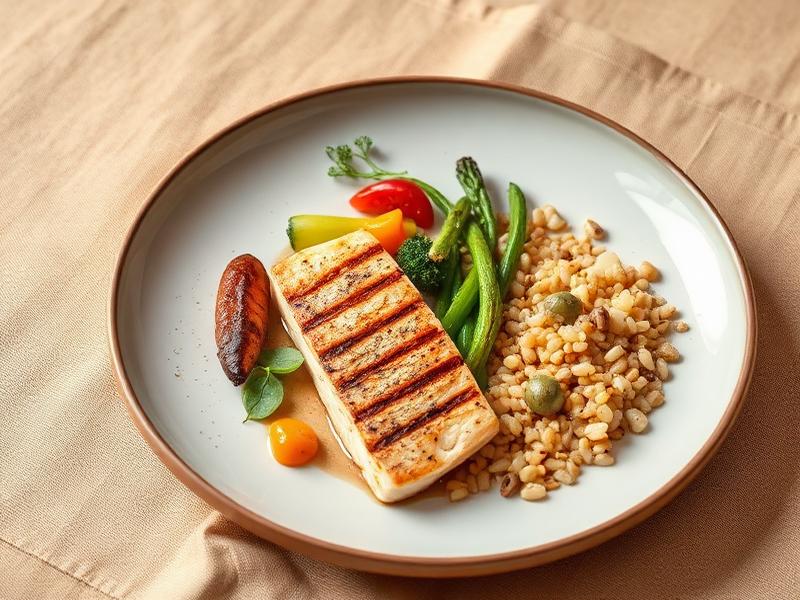
  • Smaller meals with more protein

    Eggs, fish, chicken, beans, and iron-rich foods spread across 4–6 smaller meals instead of two big ones.

Go easy on
  • Big, heavy carb meals

    Large carb loads send blood to your stomach and reliably worsen the racing heart and fog after meals.

  • Alcohol and lots of caffeine

    Alcohol opens blood vessels and dehydrates you. Caffeine helps some people and clearly hurts others — test it carefully.

What to avoid

Eight habits that make it worse

  1. 01
    Standing still for a long time without squeezing your legs, shifting your weight, or sitting down.
  2. 02
    Long hot showers standing up — heat plus standing is the classic recipe for a crash.
  3. 03
    Skipping water and salt in the morning, then going straight into a day on your feet.
  4. 04
    Wearing only knee-high compression socks; waist-high or belly compression targets the real pooling.
  5. 05
    Pushing through exercise when you reliably crash a day or two later.
  6. 06
    Assuming adrenaline rushes are anxiety without ever checking your standing blood pressure.
  7. 07
    Starting POTS medicines before checking your iron, thyroid, and current prescriptions.
  8. 08
    Dropping the water, salt, and compression the moment a medicine starts working.
The full plan

A map of every step worth taking

Roughly in the order most people go. Measure your standing numbers, build the water-salt-compression base, and rule out look-alikes before medicine. The right medicine depends on your type, not just the label "POTS."

Start here

Do the Standing Test

Lie down and rest 5–10 minutes, then check your heart rate and blood pressure. Stand up and check again at 1, 3, 5, and 10 minutes. Our tracker does the timing and math for you.

Open the tracker
Start here

Water, Salt, Compression

The foundation for almost everyone: plenty of water, extra salt (with your doctor's OK), waist-high compression, and avoiding heat.

Start here

Rule Out Other Causes

Get blood tests for iron, blood count, thyroid, and sugar, plus a heart tracing (ECG). Check whether any medicines you take could be speeding up your heart.

Standard

Fast Heart, Normal Blood Pressure

A small dose of propranolol (a medicine that slows the heart) is a common first choice. If it doesn't suit you, doctors often try ivabradine.

Standard

Low Blood Pressure + Pooling

Water, salt, and compression come first. If you still feel bad, midodrine (which tightens blood vessels) is often next; fludrocortisone helps the body hold onto salt and water.

Standard

Blood Pressure Rises + Adrenaline Surges

Shaking, sweating, and blood pressure going UP when standing points to the adrenaline type. Medicines like clonidine that calm the stress system may fit better.

Advanced

Pyridostigmine

An option when the heart still races despite other treatments. It slows the heart without lowering blood pressure, but can cause stomach cramps and diarrhea.

Advanced

Graded Exercise

The best-proven non-medicine treatment for POTS. Start with exercise you can do lying down or seated, and build up very slowly. If you crash 1–2 days after, pace yourself instead of pushing.

Advanced

Bendy Joints & Physical Therapy

Many people with POTS have extra-flexible joints. Compression, physical therapy, and joint-strengthening exercises should be part of the plan.

Extra support

Post-Virus Checkup

If this started after COVID or another infection, a doctor who knows dysautonomia (nervous-system problems) can set realistic expectations for recovery.

Extra support

Sleep, Stress & Pacing

Bad sleep and stress make every symptom louder. Good sleep habits and pacing your energy make everything else work better.

Extra support

Adjust Meds With a Doctor

Every POTS medicine affects blood pressure, water balance, the stomach, or the bladder. Work with someone who tracks your standing numbers with you.

Want help sorting through your options?

If you'd like personal support — the standing test, figuring out your type, and how POTS connects to your hormones and iron — book a free call with our team.

Book your free consultation
Take it with you

The standing test, the key questions, and the full POTS treatment map — in one printable page.

Get the POTS guide by email

Send yourself the standing-test steps, the questions to ask, and the treatment map.

We'll only email you about POTS resources. Unsubscribe anytime.

Hormones & POTS

Could hormone imbalance be making your POTS worse?

Hormone shifts — around your period, after pregnancy, in perimenopause, or from thyroid problems — can change blood volume and make POTS symptoms spike. An at-home hormone test kit can show if your hormones are out of balance and need support.

This is not medical advice

This guide is for education only. It is not a diagnosis, treatment plan, or substitute for care from a licensed healthcare provider. The medication examples, supplement suggestions, standing-test instructions, and hormone-test information are starting points for conversations with your doctor — not instructions. If you have fainting, chest pain, trouble breathing, severe shortness of breath, or a known heart problem, seek medical care right away. Always work with a qualified clinician before starting, stopping, or changing any medication, supplement, exercise plan, or hormone treatment.